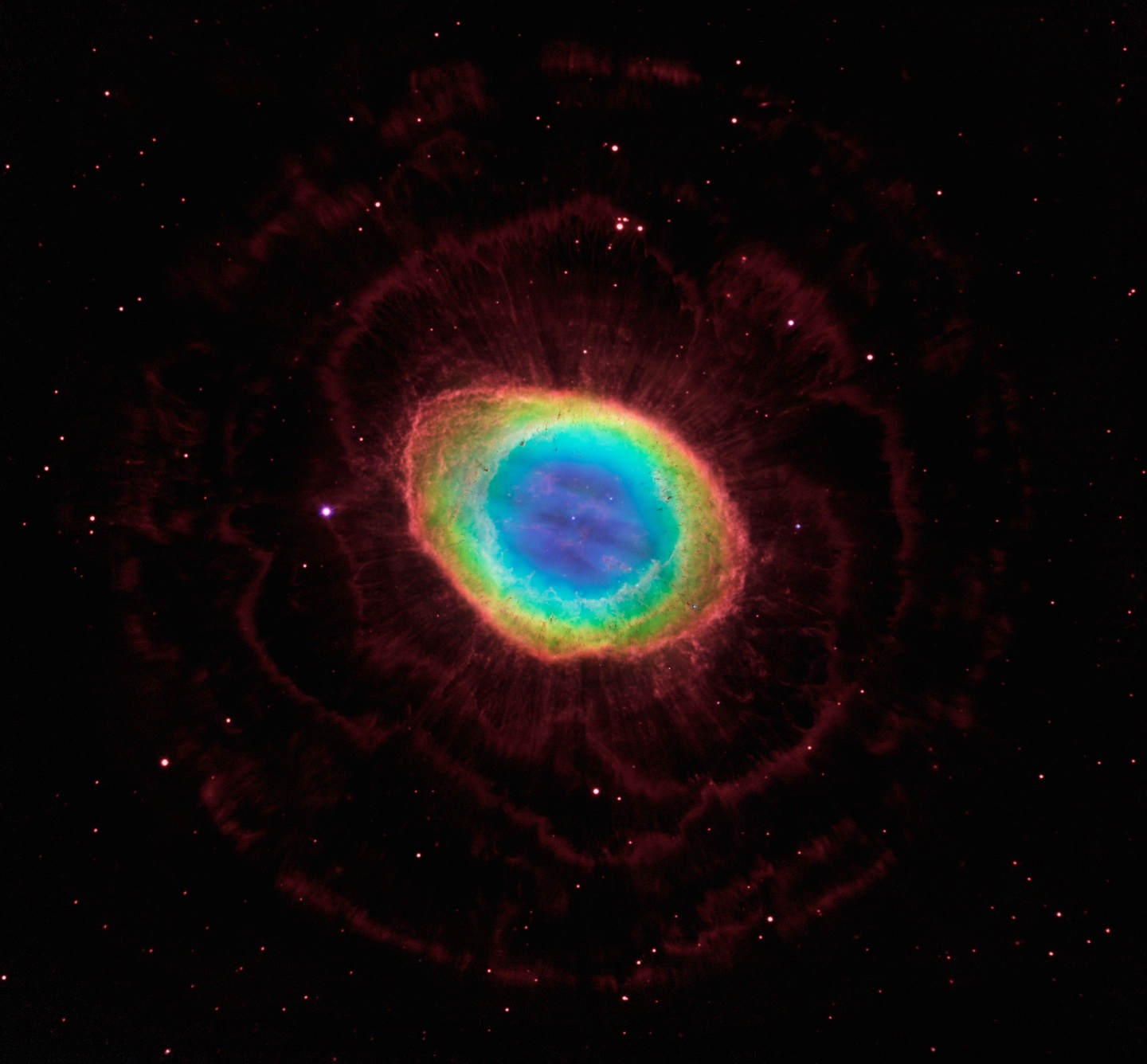
By day the Lord went ahead of them in a pillar of cloud to guide them on their way and by night in a pillar of fire to give them light, so that they could travel by day or night. Neither the pillar of cloud by day nor the pillar of fire by night left its place in front of the people.
- Exodus 13:21-22
“This, then, is how you should pray:
“‘Our Father in heaven,
hallowed be your name,
your kingdom come,
your will be done,
on earth as it is in heaven.
Give us today our daily bread.
And forgive us our debts,
as we also have forgiven our debtors.
And lead us not into temptation,
but deliver us from the evil one.’
- Matthew 6:9-13
I and the Father are one.”
- John 10:30
“And here’s the first bit, the first movement of prayer the Jesus way: ‘Our Father in heaven, hallowed be your name.’ In that turn of phrase, Jesus lays a threefold foundation for prayer:
“1. Remember who God is.
“2. Remember who you are.
“3. Remember who we are to each other.
“Calling God ‘Father’ is dismissible today. It rolls off the tongue as unconsciously as the lyrics of ‘Happy Birthday’ as you carry a candlelit cake to the dinner table. It’s become just cheesy enough to edge past in search of some more sophisticated insight from Jesus in the lines that follow. Worse yet, for some its use is grouped in with a centuries-long patriarchal history of male superiority and female oppression.
“But the disciples likely gasped when Jesus said it. The temple that served as the training ground for their prayers had taught them to pray with supreme reverence. The grounding text for the Jewish people’s understanding of God was the book of Exodus—when the Lord appeared to the people in the form of a cloud by day and fire by night. The big question in ancient days wasn’t, ‘Does God exist?’ It would be foolish to ask such a question. ‘Of course God exists! Open your eyes, man! He’s the cylindrical pillar of fire stretching from the desert floor into the night sky and serves as our trail guide!’ Instead, the existential question in ancient days was, ‘Is God knowable?’ Because a pillar of fire doesn’t provoke doubt, but neither does it provide intimacy.
“These disciples knew a God of cleansing rituals and animal sacrifices, a God of ten plagues and blood on the doorpost, a God who parts seas and floods the earth, a God with a heavy hand of deliverance and a heavy hand of judgment—awesome in power but hard to get to know. Jesus did nothing to diminish the reverence, nothing to minimize the power of God. Jesus made that powerful God knowable.
“Jesus didn’t introduce them to a new God. He was abundantly clear about that. ‘I have not come to abolish them [the Law or the Prophets] but to fulfill them.’ Jesus prayed to the revered God of power and judgment with the familiarity of the term Father.”
“It was an attractive scandal. Scandalous for all the obvious reasons. ‘How dare you! Do you know who you’re talking to!’ Attractive for all the obvious reasons. ‘God is knowable. And this man Jesus knows exactly who he is, exactly who he’s talking to.’
“The reverence of ancient Israel is extinct in the modern West. We live without sacredness, yawning at the very words that made the disciples gasp. Our world is a million miles from theirs. Our hearts, though, are the same.”
- Tyler Staton, Praying like Monks, Living like Fools
First, I do not consider myself better because I am male. I do not consider women inferior. I am not an oppressor.
That being said, God the Father is a spirit according to the catechisms. He has not a body like man. Jesus is male, but the Father is probably considered the Father out of convenience. I would bristle at calling Him Mother, because Jesus prayed to His Father, and taught us to do also. Plus, when prophets refer to the evil in the world, such as in Jeremiah 7 and Jeremiah 44 where offerings are made to a false god, the term Queen of Heaven is used. The Apostle John uses the Whore of Babylon, a representative female figure. And I postulate in the etymology of Mother Earth, the gender assignment may have pagan roots.
Even in this discussion, women are not evil, as some thought centuries ago. This is just prophetic imagery using the gender difference to symbolically show a difference in good and evil.
Now that I have dug myself a deep whole before getting started …
In many of the philosophy discussions, the subject of whether God is knowable has arisen. The Philosopher Moses Maimonedes, a Jewish philosopher, claimed that the attributes of God were totally beyond our reach. With the tremendous volumes with “Attributes of God” somewhere in the title just within the past century, give or take a few decades, you would think Maimonedes might have been wrong, but then are the countless authors (philosophers, theologians, pastors) might be wrong, or it may be an argument of degrees. Infinity is a hard concept, even among some scientists. We can reduce God to human terms regarding attributes, but then that humanizes God too much. That expanse to infinity in each of those attributes messes things up. And holiness is something wholly different than us. We can describe it with our language, but it still leaves things muddled.
But God as a loving Father, forgetting all the philosophical arguments, most of us can grasp that. Even if infinity is beyond our comprehension, we need to return to the awe of God in Biblical times. Even our greatest theologians of today will go to their knees in awe once they see God. They would have nothing on earth to compare. But when Jesus beckons us back to our feet, throws His arms around us, and says “Welcome, brother,” then that concept of God being our Father becomes a reality.
I can wait for that day, only in one thought, that God has work for me to do here first, and I am His servant.
We need that awe, and that awe should come forth in our prayers. We should adore our Heavenly Father. It does not matter whether we have the right words. There are no right words. Earthly words, by their basic nature, cannot express the inexpressible. But we do not need inexpressible words. Jesus taught us to say, “‘Our Father in heaven, hallowed be your name, your kingdom come, your will be done, on earth as it is in heaven.”
Any flowery words beyond that are just flowery, but then again, knock yourself out. I have done this exercise, unsuccessfully every time, of trying to use every word of adoration that I could think of. Why unsuccessful? God is so much more than anything we can imagine.
But we can imagine a loving Father.
Lord, guide me. You are our God. We fall short of Your glory. And we fall short in our praise and adoration. Sometimes we are in a hurry, and we have some requests to make. I confess to that, far too often. But sometimes, our mind goes blank because every word that says praise, adoration, Your glory, Your majesty … They are words that fall short. When it really comes down to it, You are my everything, for without You I would be nothing. In Your name I pray. Amen.
Soli Deo Gloria. Only to God be the Glory.
 Thoughts from Mark "Hat" Rackley
Leave a comment