Sheba passed through all the tribes of Israel to Abel Beth Maakah and through the entire region of the Bikrites, who gathered together and followed him. All the troops with Joab came and besieged Sheba in Abel Beth Maakah. They built a siege ramp up to the city, and it stood against the outer fortifications. While they were battering the wall to bring it down, a wise woman called from the city, “Listen! Listen! Tell Joab to come here so I can speak to him.” He went toward her, and she asked, “Are you Joab?”
“I am,” he answered.
She said, “Listen to what your servant has to say.”
“I’m listening,” he said.
She continued, “Long ago they used to say, ‘Get your answer at Abel,’ and that settled it. We are the peaceful and faithful in Israel. You are trying to destroy a city that is a mother in Israel. Why do you want to swallow up the Lord’s inheritance?”
“Far be it from me!” Joab replied, “Far be it from me to swallow up or destroy! That is not the case. A man named Sheba son of Bikri, from the hill country of Ephraim, has lifted up his hand against the king, against David. Hand over this one man, and I’ll withdraw from the city.”
The woman said to Joab, “His head will be thrown to you from the wall.”
Then the woman went to all the people with her wise advice, and they cut off the head of Sheba son of Bikri and threw it to Joab. So he sounded the trumpet, and his men dispersed from the city, each returning to his home. And Joab went back to the king in Jerusalem.
- 2 Samuel 20:14-22
This may be a strange Scripture to use for Memorial Day, but the first half of this chapter was the story of Sheba son of Bikri getting all but Judah to follow him in the aftermath of the Absalom rebellion. It seems he got Amasa on his side. Amasa was a cousin of David, and thus a cousin of Joab. David sent Abishai to deal with Bikri and Amasa. Possibly because Joab had a bloodthirsty past and Abishai might be less violent. Note: Sheba is a Benjamite, the same clan as King Saul. With David’s perceived weakness in stopping the rebellion of his own son, Absalom, Sheba may have felt that the Benjamites were a better tribe to lead the people of Israel.
But Joab meets up with Abishai and he greets Amasa. He pulls a hidden dagger; in Scot Gaelic it would be called a Sgian Dubh (pronounced skee-en doo). He cuts deep into Amasa’s gut and leaves him there to die. He has to cover the body because the soldiers would stop and stare.
Then a wise woman meets them and avoids further bloodshed, except for the head of the rebel, Sheba.
Ugly things happen in battle. Soldiers die as a result. Some do not make it home to see their families.
Regardless of the automobile races, family reunions, vacation travel to celebrate the unofficial start of summer, and whatever other reason people can use to avoid the true reason for Memorial Day, we should remember those who did not make it home to see their families again.
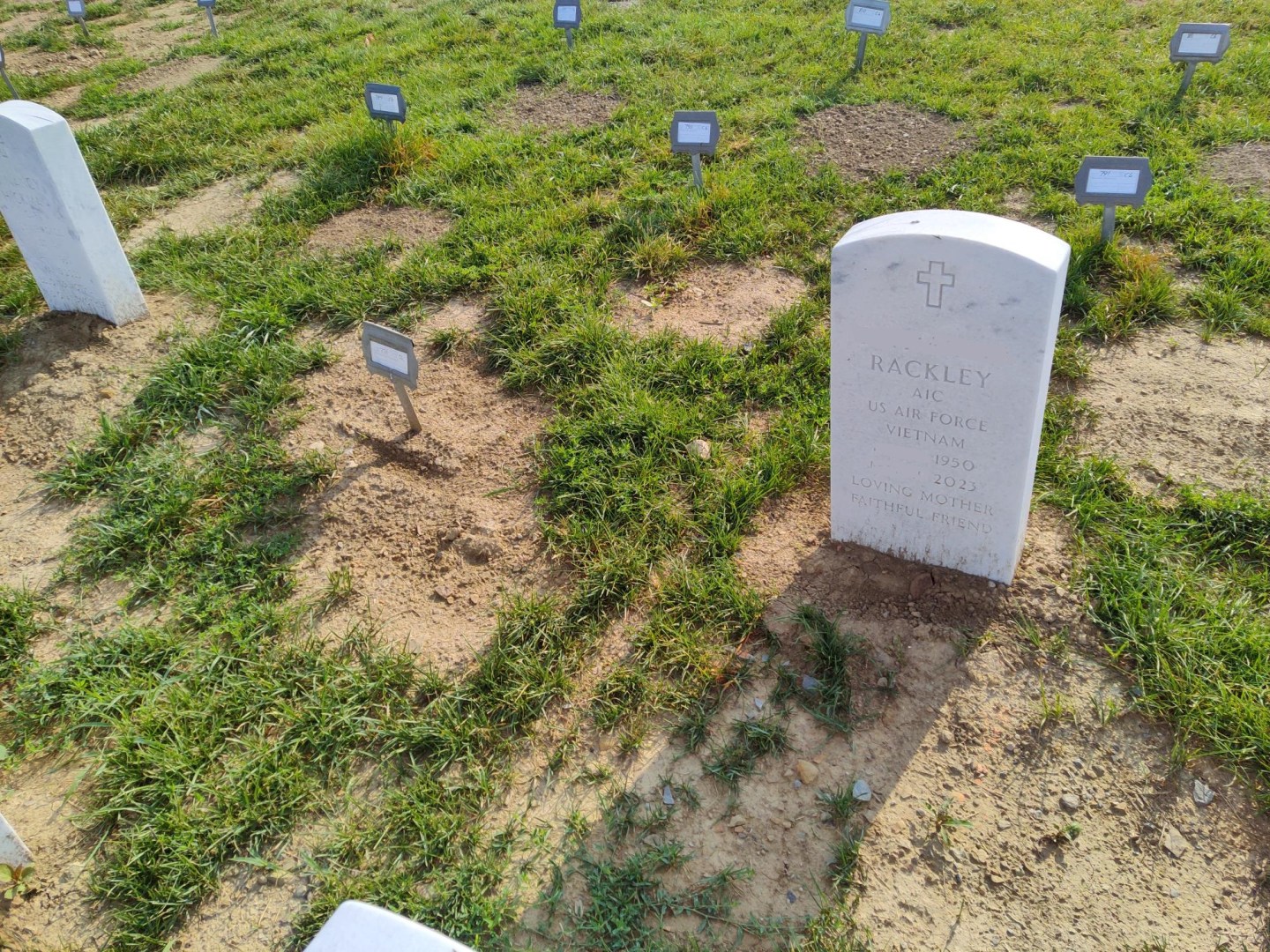
My wife served during the Vietnam War. I served in a time of peace. But even I had to write a letter. It was to a congressman, not a parent or spouse. There are a variety of ways to lose one’s life when far from home in a foreign land. All that matters is that they served.
In the tombs for the unknown soldier, the remains are truly unknown. I have heard that from DNA testing, there may be no further internments there. But most who go to see the changing of the guard might be shocked, some even offended, to think that an enemy’s remains might be in the tomb. It sometimes gets that ugly that you just do not know, other than that soldier had a mother and a father that would never see their child again.
Let us remember the fallen, but also remember that God promises us a rest where there is no war, no pain, no sin, and no death.
Soli Deo Gloria. Only to God be the Glory.
 Thoughts from Mark "Hat" Rackley
Leave a comment