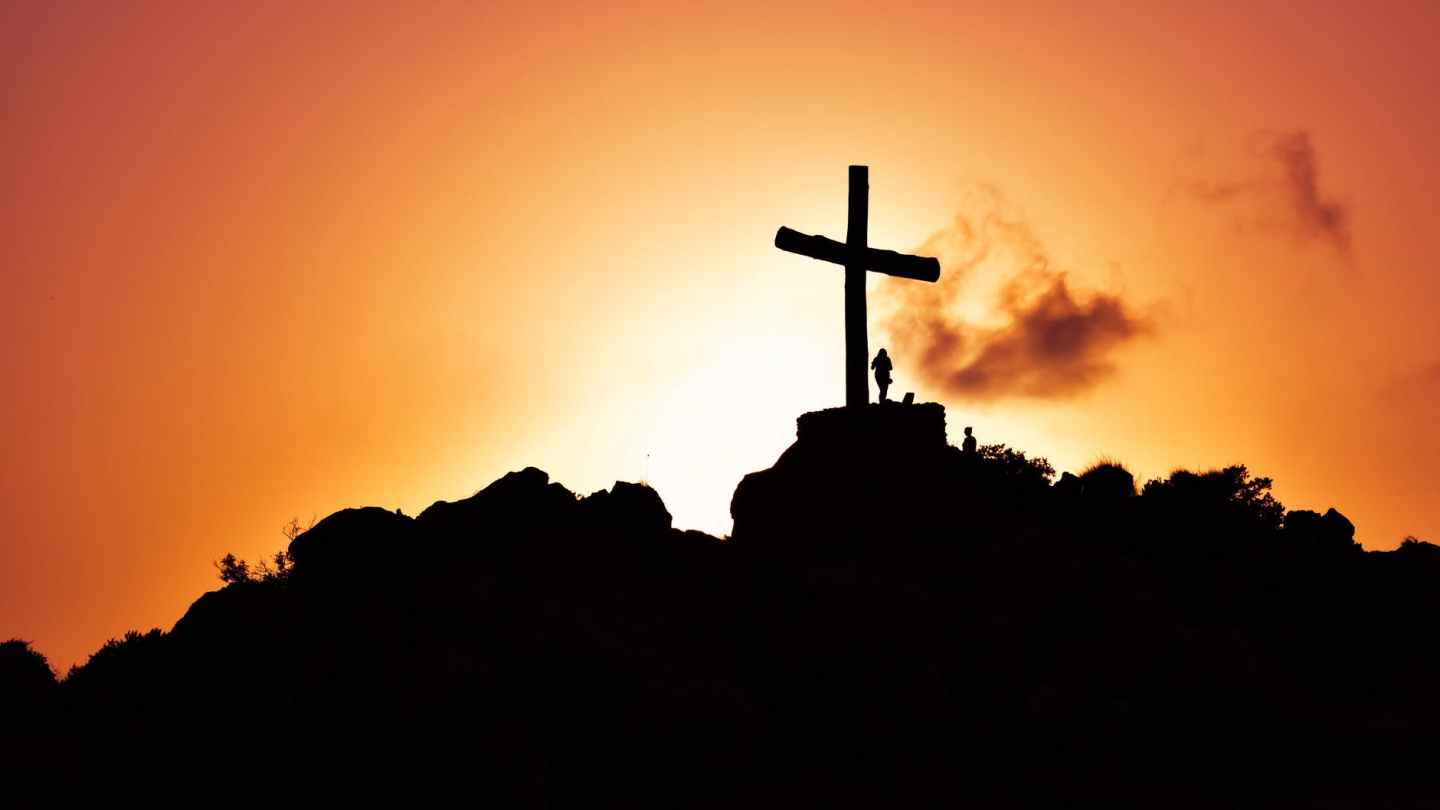
Therefore, if anyone is in Christ, the new creation has come: The old has gone, the new is here!
- 2 Corinthians 5:17
For as high as the heavens are above the earth,
so great is his love for those who fear him;
as far as the east is from the west,
so far has he removed our transgressions from us.
- Psalm 103:11-12
“Come now, let us settle the matter,”
says the Lord.
“Though your sins are like scarlet,
they shall be as white as snow;
though they are red as crimson,
they shall be like wool.
If you are willing and obedient,
you will eat the good things of the land;
but if you resist and rebel,
you will be devoured by the sword.”
For the mouth of the Lord has spoken.
- Isaiah 1:18-20
So will it be with the resurrection of the dead. The body that is sown is perishable, it is raised imperishable; it is sown in dishonor, it is raised in glory; it is sown in weakness, it is raised in power; it is sown a natural body, it is raised a spiritual body.
- 1 Corinthians 15:42-44
“Biel was largely following the doctrine of William of Ockham and others in the fourteenth century, which had been opposed by Thomas Bradwardine and John Wyclif. Biel is especially significant as it was his disciples who taught Martin Luther. The spiritual problems faced by the young Luther were largely induced by Biel’s doctrine of grace.
“ ‘God accepts the act of a person who does his very best as a basis for bestowing the first grace. This is not because of any obligation in justice, but because of his generosity. Now when the soul removes the obstacle [to God’s grace] (by ceasing from the act of sin, by ceasing to consent to it and by eliciting a good movement toward God as its principal and end) it does its very best. Therefore God, in his liberality, accepts this act of the removal of the obstacle and the good movement toward himself and infuses grace into the soul.’ (Commentary on the Sentences 2.27.1)”
- Tony Lane, A Concise History of Christian Thought
Gabriel Biel, (1420?-1495), was a member of the Canons Regular which was the clerical counterpart to the Brethren of the Common that influenced Thomas à Kempis.
As a side note, it amazes me how few of these theologians, philosophers, and church leaders had no known birth year, but it was well known when they passed away, with one or two exceptions. These days we record birthdays. We have no idea what little child, possibly born with meager means, could grow up to be an influencer in the world, for good or evil.
Biel uses the same kind of language as does Oswald Chambers of the late 19th Century and early 20th Century, as well as some of the philosophers and theologians over most of the past 20 centuries. Yet, in listening to and reading pastors like R. C. Sproul you get a different opinion. Maybe I am misinterpreting, but I do not think that we quit sinning until we are with God in Heaven. Is that Biel’s concept of the Grace of God’s generosity, totally unmerited by us in accepting Jesus and having eternal life in return as the first grace? Then the second Grace comes when we receive new bodies in Heaven?
But Paul speaks of us now being New Creations. That new creation is now! Yet, I have heard so many state that in that new creation, we have a changed desire. We want to please God. We want to not sin. But our body lets us down on occasion.
The often-quoted Scriptures are above regarding God separating us from our sin. The quote from Psalm 103 is in the context of it is a done deal, but Isaiah 1 has provisions of obedience and a future separation.
I watch a television show with a panel of pastors. They talk about us sinning, but if there is habitual sin, the truth is not in us. Then, the same pastors talk about the truth being in us, but if you struggle with habitual sin, they have a hotline where you can call for accountability. And I just watched that show, and a pastor quoted the passage from 1 Corinthians 15 above.
There may be backlash, but I believe that the new creation that we become upon being saved is one of our desires. We do not wish to sin, but we still have this body that needs to breathe and eat and drink. At any moment we can overindulge in those good things to make them bad for us. But upon death, the sanctification process is then complete. However well we accomplished becoming more like Jesus during our lives, the rest of the perishable is tossed aside and we are made whole and pure. For God is Holy and we must be holy to exist in His presence.
There is a danger in thinking we have arrived upon becoming a Christian. We might think everything coming from our mouths is golden. We may think our motives to be perfect. That causes a Pope to enter secular government in the middle ages. It causes the excesses in religion that forced Luther and other reformers to break away. And it sets up systems that can cause mass suicides due to a belief that we are following an incorruptible person on earth.
And believing that our earthly body being capable of avoiding sin sets us up for failure when we trip over a rug and say something inappropriate when we fall. Not that I have ever done that! As Mark Lowry once said about breaking his leg, “I didn’t even think I knew those words, but there they were coming out of me like long lost friends.” Yep, we are not perfect, especially in times of intense pain or extreme stress. But we can turn to God for strength in those times even more fervently.
The only one that is perfect is God. We can trust Jesus, but no other. And I can have hope that in the first grace, that my second grace will one day be complete, incorruptible, and imperishable.
If you like these Tuesday morning essays about philosophy and other “heavy topics,” but you think you missed a few, you can use this LINK. I have set up a page off the home page for links to these Tuesday morning posts. I will continue to modify the page as I add more.
Soli Deo Gloria. Only to God be the Glory.
 Thoughts from Mark "Hat" Rackley
Thanks for sharing forms of Grace. Anita
LikeLiked by 1 person
You’re welcome.
LikeLiked by 1 person